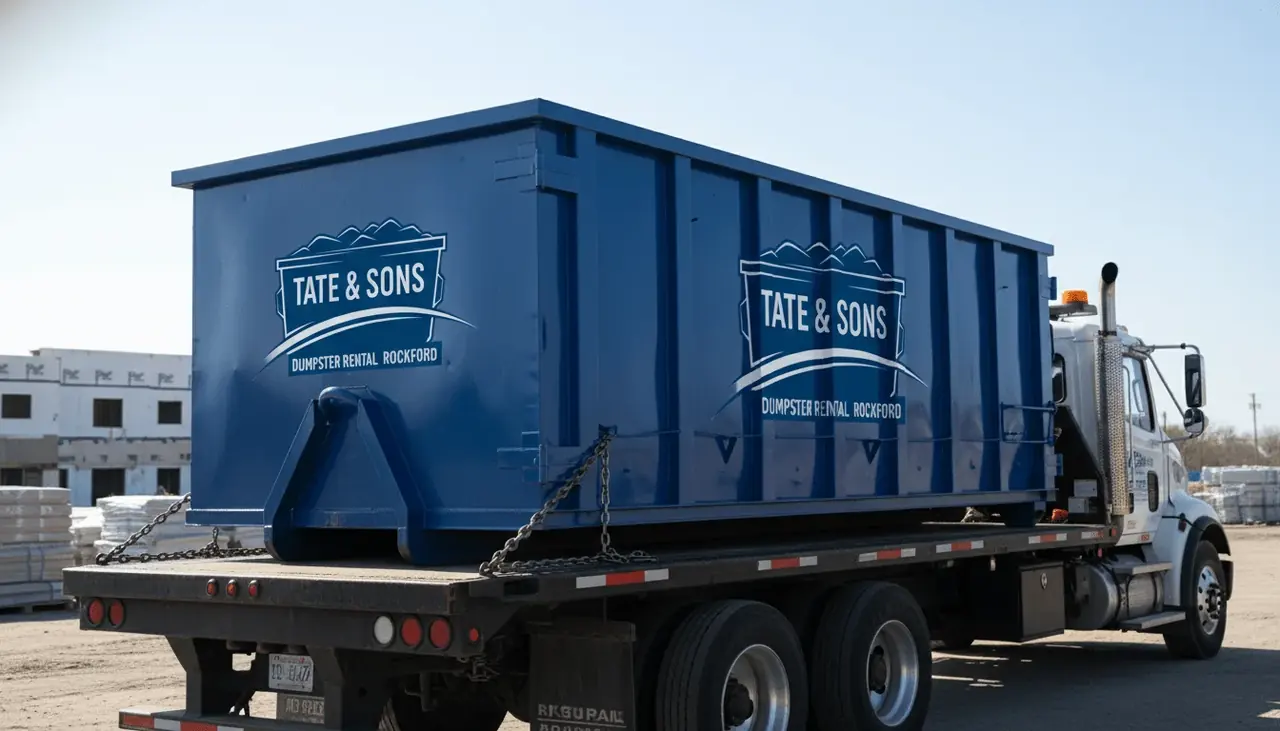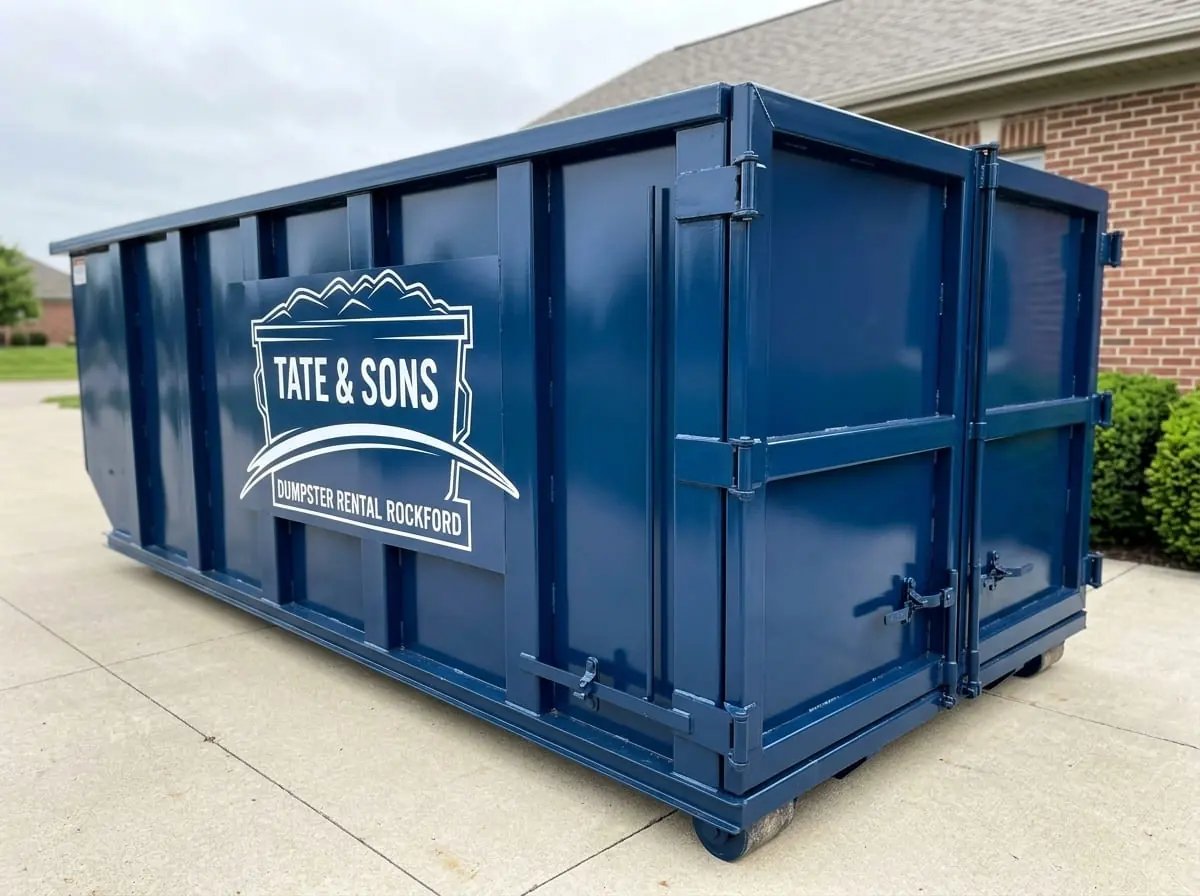

Dumpster Rental Cost Factors
We're not going to publish a made-up price range that doesn't match your job. Here's what actually moves the number when you call for a quote, and why a flat, honest price beats a guessed one.
ReadRockford, IL guide
The single most common question we get on the phone. Here's how we actually size a job, from a garage cleanout to a full gut renovation, with the real dimensions and weight limits for every size we run.
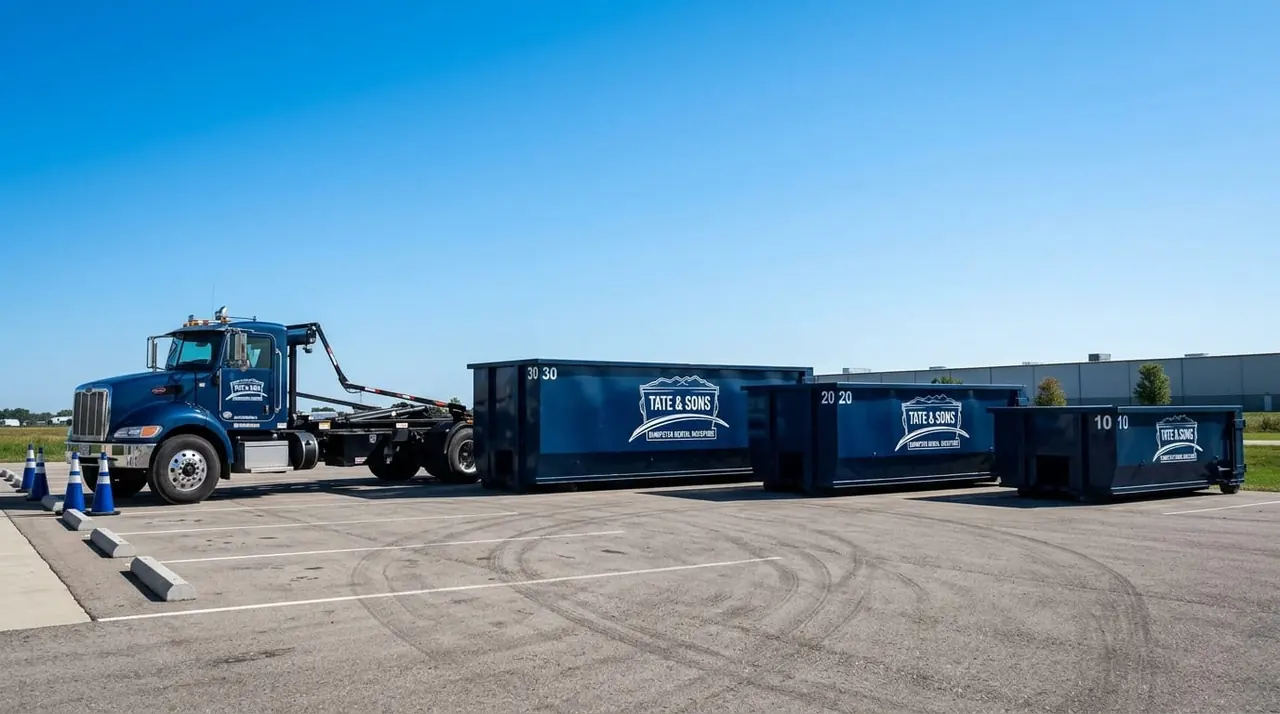
"What size do I need?" is the first thing almost every caller asks, and it's also the question that's easiest to get wrong if you're guessing off a picture on a website. We size dumpsters for a living, and the honest answer almost never comes down to how big the pile looks. It comes down to two things: how much room the debris takes up, and how much it weighs. Get those two right and the size picks itself.
Below is how we actually walk through it with a caller, using the five sizes we run out of our yard on S Alpine Rd — 10, 15, 20, 30 and 40 yard roll-offs — with the real dimensions and limits for each one.
A "yard" in dumpster terms is a cubic yard of volume, but volume alone doesn't tell you whether a container will work for your job. Every size below also carries a tonnage allowance, because weight fills a container long before it looks full.
This is the part that trips people up. A 30 yard box looks enormous sitting in a driveway, but if you fill it with wet concrete, brick, or old roofing shingles, you can hit the weight allowance while the container still looks half empty. Heavy, dense material — concrete, brick, tile, dirt, plaster, shingles — is why the 10 and 15 yard containers exist in the first place. Their smaller footprint keeps the weight-to-volume ratio in a range that's realistic to haul, and it's why we'll often steer a caller with a strictly heavy-material job toward a 10 or 15 yard even if the pile itself doesn't look small.
Light, bulky material — furniture, cardboard, drywall scraps, general household junk — behaves the opposite way. You can fill a 30 or 40 yard container to the rails with that kind of debris and still be well under the weight allowance, because the material simply doesn't weigh much per cubic foot. That's why volume-driven jobs like whole-house cleanouts or new-construction framing debris tend to land on the bigger sizes.
When you call, tell us both what you're clearing and roughly how much of it is heavy versus light. That combination, more than the square footage of the project, is what actually determines the size.
A few patterns come up often enough that they're worth calling out directly.
If your job sits right between two sizes, we'll almost always steer you toward whichever one avoids the higher risk — either an overage charge for going over the weight allowance, or the cost of a second haul because the first container filled up mid-project. In our experience, guessing a size too small ends up costing more in the long run than starting one size up, so when a caller is unsure, we ask a few more questions about the material rather than just rounding to the biggest box on the lot. A bigger container isn't automatically the safer choice — the right one is the one that matches the actual debris.
Size isn't only about what fits in the container — it's also about what fits on your property. A 40 yard roll-off needs considerably more clearance to deliver and pick up than a 10 yard, and driveway length, overhead wires, and tight urban lots around older Rockford neighborhoods can all affect which sizes are practical for a given address. When you call, we'll ask about your driveway or delivery spot alongside the debris itself, so the size we recommend is one the truck can actually place.
Once a project moves past a single-room cleanout, the choice usually narrows to the 20, 30 or 40 yard, and the difference between them matters enough to walk through directly. The 20 yard is our workhorse for whole-home cleanouts, flooring and siding replacement, and remodel debris where drywall, trim and old fixtures make up most of the load — it has enough tonnage allowance to handle a fair amount of denser material without the footprint of the larger boxes. The 30 yard steps up for full gut renovations, new-construction cleanup and estate clearances, where the volume of debris genuinely outpaces what a 20 yard can hold even though the material itself isn't unusually heavy. The 40 yard is reserved for the biggest jobs we run — commercial fit-outs, industrial clear-outs, and situations where the cubic footage matters more than the tonnage, since it carries the largest weight allowance of any size we offer but also the largest footprint on your property.
If you're not sure whether your project is a 20, 30 or 40, describe the scope on the phone — how many rooms, floors or phases are involved, and roughly what's coming out. That's usually enough for us to land on the right one without you having to estimate cubic yards yourself.
A few materials change the sizing math no matter which category your job falls into. Wet material — soaked drywall, waterlogged carpet, rain-soaked yard debris — weighs meaningfully more than the same material dry, which can push a job that would normally fit a 15 yard closer to a 20. Compacted material like packed dirt or old asphalt behaves the same way. And certain items simply can't go in the dumpster at all regardless of size — electronics like monitors, computers and TVs are banned from landfill disposal under Illinois law and need a certified e-waste recycler, and hazardous materials like paint, solvents and chemicals need their own disposal path. Flagging these when you call helps us size the container for what's actually allowed to go in it.
The quickest, most accurate way to size a job is still a phone call. Describe what you're clearing — the project type, roughly how much of it is heavy material, and where the container needs to sit — and we'll size it on the spot, using the same numbers above. If we think a smaller box will do the job just as well, we'll tell you. Getting you the right size the first time is cheaper for you and easier for us than a swap-out halfway through the project, and it's a conversation we have with Rockford homeowners and contractors every day.
Talk to a real person
Call and describe the job. Flat price, stated tonnage, and a delivery time on the same call.
Mon–Sat 7:00am – 6:00pm
From this guide
The 20 yard is our most-requested size for whole-home cleanouts, remodels and larger roofing jobs. For smaller single-room projects or heavy material like concrete, the 10 or 15 yard is usually the better fit.
We'd rather you didn't if you can help it. Mixing dense material like concrete or brick with lighter household debris makes it much easier to hit the weight allowance early, even in a larger container. If you have both, ask us about keeping them separate or sizing for the heavier load.
It depends on the size of the roof and how many layers are coming off. Smaller and partial tear-offs usually fit a 10 yard, while a full tear-off on a larger home typically needs a 20 yard. Shingles are heavy, so we size roofing jobs by weight more than by square footage.
Not necessarily. A bigger box helps with volume, but it won't help if your debris is dense and you go over the weight allowance. Tell us what you're clearing when you call and we'll size it based on both volume and weight, not just pick the largest option.
Often yes. Illinois requires yard waste like grass, leaves and brush to be kept as a separate clean load rather than landfilled with construction debris, so a straight yard-waste cleanup is usually sized and scheduled differently than a remodel job. A 15 or 20 yard handles most yard waste cleanups.
Keep reading
We're not going to publish a made-up price range that doesn't match your job. Here's what actually moves the number when you call for a quote, and why a flat, honest price beats a guessed one.
ReadAnytime a Rockford project involves digging — a foundation, a fence line, a downspout drain — Illinois law requires a call to JULIE first. Here's what that actually means for your project timeline.
ReadThe permit question comes down almost entirely to where the container sits. Here's the practical difference between a driveway delivery and a street placement, and what to do about each.
Read