Rockford doesn't advertise itself the way some cities do, but the history is still standing all over town if you know where to look — brick factory buildings with distinctive sawtooth rooflines, old warehouse blocks near the Rock River, and neighborhoods that grew up around a manufacturing boom most people outside Illinois have never heard of. We haul a fair amount of debris out of these buildings as they get renovated, converted and redeveloped, and understanding where they came from is part of understanding why some of these jobs look the way they do.
How Rockford Became Furniture City
In the late 1800s and early 1900s, Rockford grew into the second-largest furniture manufacturing center in the United States, trailing only Grand Rapids, Michigan. The industry took root here largely through the efforts of Swedish immigrants who settled in Rockford in significant numbers, many of them skilled woodworkers and craftsmen who brought both the trade and a distinctive business model with them: worker-owned cooperative furniture companies, where employees held a direct stake in the factories they worked in rather than simply drawing a wage from an outside owner. That cooperative model became one of the defining features of Rockford's furniture industry, and it helped the city build a reputation for well-made, well-run manufacturing that lasted for decades.
At its peak, Rockford's furniture industry supported a substantial share of the local economy, and the factories built during that era weren't small operations — they were large, purpose-built industrial buildings constructed to house serious manufacturing volume, many of them still standing along and near the Rock River corridor and in the older industrial districts around downtown.
The Sawtooth Roofline You Still See Today
One of the most recognizable physical signatures of Rockford's furniture manufacturing era is the sawtooth roof — a series of angled, ridged roof sections built specifically to admit consistent natural north-light into the factory floor below, before electric lighting made that design unnecessary. If you've driven through some of Rockford's older industrial blocks and noticed a building with a distinctive zigzag roofline, there's a good chance it dates back to this manufacturing era, whether it was originally a furniture factory or one of the related industries that grew up around it. These buildings were built to last, with masonry construction and heavy timber or steel framing meant for decades of industrial use — which is exactly why so many of them are still around, and why so many of them are now candidates for renovation rather than demolition.
What Happens to These Buildings Today
A lot of Rockford's old furniture-era industrial stock has found a second life. Some buildings have been converted into loft-style residential space, others into offices, breweries, event venues, artist studios, or mixed commercial use — the kind of adaptive reuse that's become common for well-built older industrial buildings across the Midwest. Others are still working through renovation, or sitting mid-project as owners and developers work out what the next chapter looks like. Either way, converting a century-old factory building into something usable today generates a very specific kind of debris, and it's different in character from a standard residential remodel.
What Debris Actually Comes Out of These Buildings
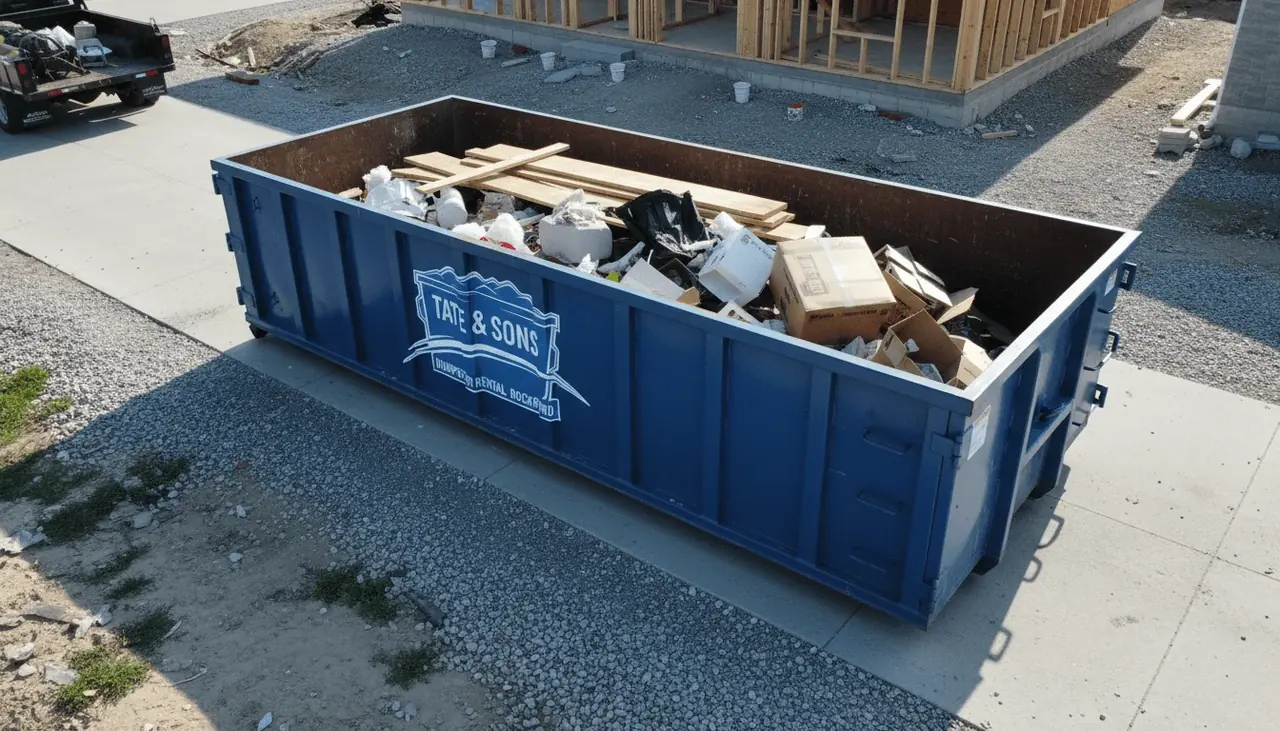
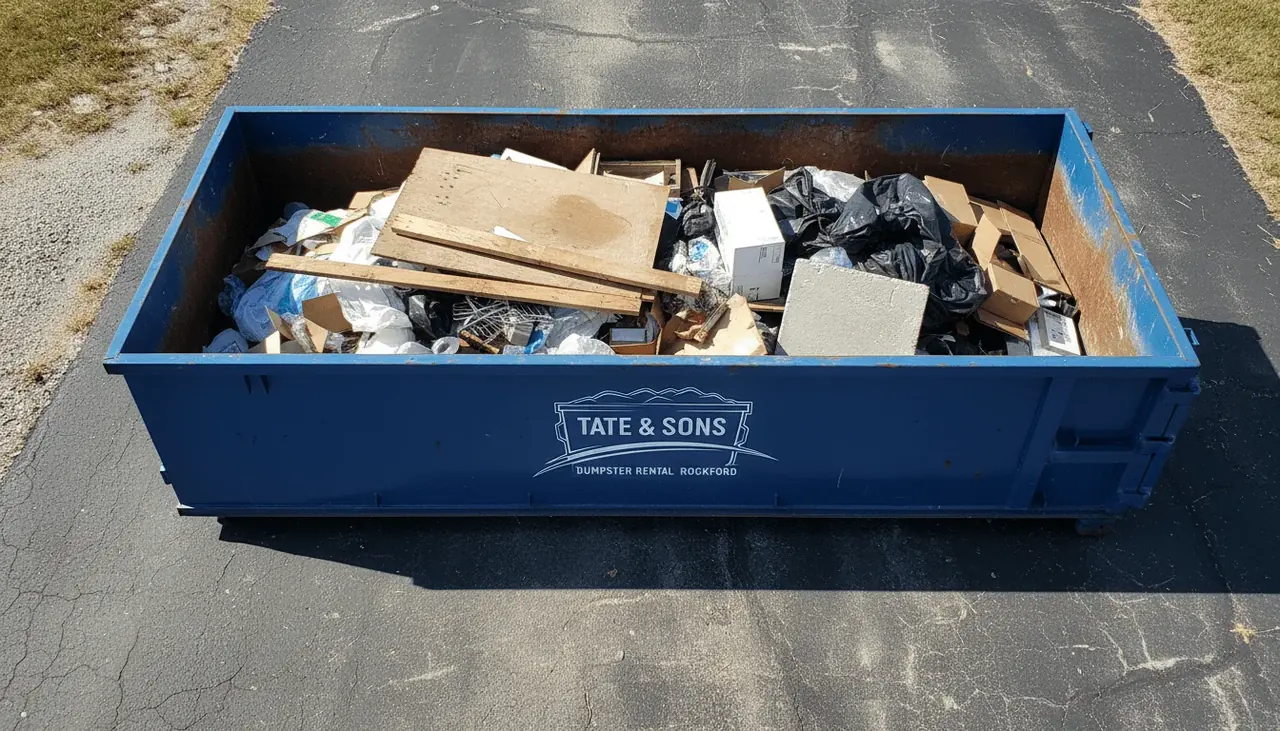
Old industrial buildings tend to produce debris in a few recurring categories that we plan for differently than a typical home renovation. Heavy timber and structural material from partial demolition or structural upgrades — these buildings were often framed with substantial wood or steel members that are dense and awkward to handle. Old flooring, frequently multiple layers deep after a century of use and re-use, sometimes including material that needs to be tested and handled carefully given the building's age. Plaster and lath from interior walls, which is heavy and crumbly in a way that fills a container's weight allowance fast. Old brick and masonry from selective demolition or opening up new window and door openings in load-bearing walls. And in some buildings, leftover fixtures, machinery mounts, and hardware left behind from the building's manufacturing days, which can range from straightforward metal scrap to items that need to be assessed individually before they go in a dumpster.
Because this debris runs heavier and denser than typical remodel waste, we size these jobs differently than a comparable-square-footage residential renovation. A conversion project in an old sawtooth-roof factory building often needs a 20 or 30 yard container even for a relatively contained section of the work, simply because the material coming out is so much heavier per square foot than drywall and framing lumber.
Placement Logistics in Rockford's Older Industrial Blocks
Beyond the debris itself, these buildings often present placement challenges that a suburban job site doesn't. Many sit on tight urban lots with limited or no on-site parking, loading docks that were designed for the trucks and equipment of a hundred years ago rather than a modern roll-off, and street frontages where the only practical spot for a container is the curb rather than a private driveway or lot — which, depending on the exact location, can mean coordinating placement with the City of Rockford's rules for street-side containers rather than simply dropping a dumpster on-site the way we would at a standard house. We've delivered to enough of these old furniture-district and river-corridor buildings that we generally know what to expect walking into one, but every conversion project is worth a real conversation about access before delivery day, not an assumption based on the address alone.
The Cooperative Model That Set Rockford Apart
What made Rockford's furniture industry distinctive wasn't just its size — it was the ownership structure behind it. Rather than a single owner or a handful of investors running the factories, many of Rockford's furniture companies were organized as worker cooperatives, where the craftsmen on the floor held direct ownership stakes in the business itself. This model, brought largely by the Swedish immigrant community that settled in Rockford in significant numbers during the industry's growth, gave workers a direct interest in the quality and success of what they were building, and it's part of why Rockford-made furniture developed a reputation for durability and craftsmanship that outlasted the industry's peak years. That same emphasis on quality construction shows up today in how solidly these old buildings were built — heavy framing, thick masonry, and materials meant to last generations, which is exactly what makes them both good candidates for adaptive reuse and genuinely demanding to renovate.
Why This History Still Matters to the Work
We don't bring this up as a history lesson for its own sake — it's genuinely relevant to how we plan a job. A building that started life as a Swedish worker-cooperative furniture factory in 1905 has a different structural profile, different materials, and different access constraints than a house built in the 1990s, and treating a renovation debris job in one of these buildings the same way we'd treat a standard residential cleanout tends to lead to the wrong container size and the wrong placement plan. Rockford's furniture manufacturing heritage isn't just a point of civic pride around here — it's baked into a meaningful share of the buildings we deliver to every year, and knowing that history helps us get the job right.
Planning a Renovation in an Older Rockford Building
If your project is a renovation, conversion, or redevelopment in one of Rockford's older industrial or furniture-era buildings, call us and describe the building and the scope of work. We'll talk through what kind of debris to expect, size the container for material that's likely heavier than a standard remodel, and plan for whatever the site's access and placement actually require — whether that's a straightforward lot delivery or something that needs coordination with the city first.